


We value your time and privacy. Your details are secure and used only to assist you better.

© 2025 BankKaro Powered by
Pouring Pounds India Pvt. Ltd.
We value your time and privacy. Your details are secure and used only to assist you better.
© 2025 BankKaro Powered by
Pouring Pounds India Pvt. Ltd.
Filters

Sort By

Eligibility

Free Cards Only
Showing 34 Credit cards
Lower Your Bills, Raise Your Savings.
Find the best utility-friendly card that puts money back in your pocket every month.

Unlock Annual Savings
₹X,XXX
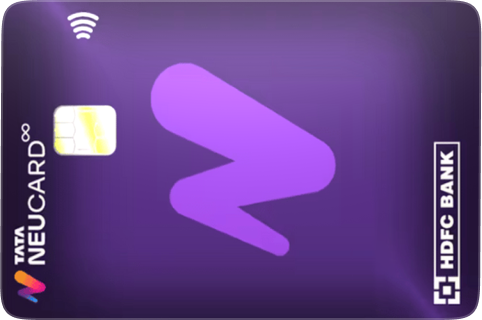
Get 5% NeuCoins on Eligible Tata Pay Bill Payments after NeuPass registration, with spends eligible up to ₹1,00,000 per month and ₹6,00,000 per year
Earn 1.5% NeuCoins on Eligible Utility Bill Transactions capped at 2,000 NeuCoins per month

Unlock Annual Savings
₹X,XXX
1 Reward Point per ₹200 spent on eligible utility bill payments, 1RP=₹0.25
Unlock Annual Savings
₹X,XXX
Earn 30X Reward Points on eligible electricity, water, gas, and other utility bill payments
Unlock Annual Savings
₹X,XXX
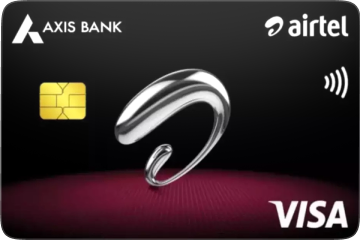
Get 25% Cashback on Airtel Recharge, DTH and Broadband payments made via the Airtel Thanks app, up to 2x of the cashback earned on other spends
Get 10% Cashback on Gas, Electricity and other utility payments made via the Airtel Thanks app, up to 1x of the cashback earned on other spends and not applicable on utility payments made outside the Airtel Thanks app
Unlock Annual Savings
₹X,XXX
Earn 3X Reward Points on Rental, Government, Education and Wallet Load Spends i.e. 3 reward points per ₹200 spent

Unlock Annual Savings
₹X,XXX
10 YES Rewardz Points per ₹200 Spent on utility bills, insurance premiums and educational categories
Unlock Annual Savings
₹X,XXX
1 Point On Utility & Insurance Spends rewards you with 1 point per ₹100 spent on utility and insurance categories
Unlock Annual Savings
₹X,XXX
Earn 5X Reward Points on bill payments, IT and GST payments, hotel and flight bookings, and business productivity tools on minimum spends of ₹50,000 in a statement cycle
Unlock Annual Savings
₹X,XXX
Get Assured Cashback upto ₹1,800 on SmartPay bill additions in the first year with e-vouchers worth up to ₹800 for adding 2 or more bills
Save Up To 4% on utility, IT and GST payments through accelerated rewards and partner payment platforms
Unlock Annual Savings
₹X,XXX
Earn 10% Reward Points on PhonePe bill payments and recharges up to 1,000 reward points per calendar month

Unlock Annual Savings
₹X,XXX
Earn 3X reward points per ₹200 on Education, Government & Wallet Loads on rental, property management, government services, education and wallet load transactions
Unlock Annual Savings
₹X,XXX
Earn 10% cashback on Bill payments made via the AU 0101 application every month, capped at ₹50 per month
Unlock Annual Savings
₹X,XXX
Earn 3 Reward Points for Every ₹100 Spent on utility bill payments up to 3,000 reward points per month
Unlock Annual Savings
₹X,XXX
Get 100% Cashback up to ₹300 on first utility bill payment within 30 days of card issuance
Save 5% on Utility Bill Payments via Paytm on Mobile Recharges, Broadband, and DTH, capped at ₹150 per month, minimum transaction ₹299
Unlock Annual Savings
₹X,XXX
Get 5% Discount on Paytm Bill Payments of ₹299 or more on eligible transactions, up to ₹150

Unlock Annual Savings
₹X,XXX
Get E-Vouchers Worth ₹800 on adding two or more bills to SmartPay
Get Assured Cashback on Utility Bill Payments through SmartPay with up to ₹1,800 in the first year
Unlock Annual Savings
₹X,XXX
Earn 2.5% Back on Utility Bill Payments as 15 reward points per ₹150, capped at ₹4,000 per statement cycle with a maximum of 400 reward points
Unlock Annual Savings
₹X,XXX
2% Cashback on all retail spends done at grocery stores, departmental stores, and utility bill payments with a maximum cashback of ₹50 per statement cycle
Unlock Annual Savings
₹X,XXX
Earn 1 Reward Point Per ₹100 on utility and insurance spends made using the card
Unlock Annual Savings
₹X,XXX
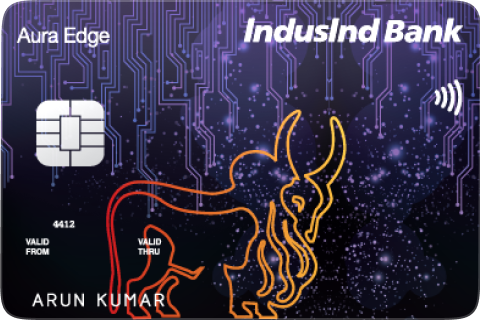
Earn 2 Reward Points per ₹100 spent on Retail Transactions a category many cards exclude entirely from earning rewards
Unlock Annual Savings
₹X,XXX
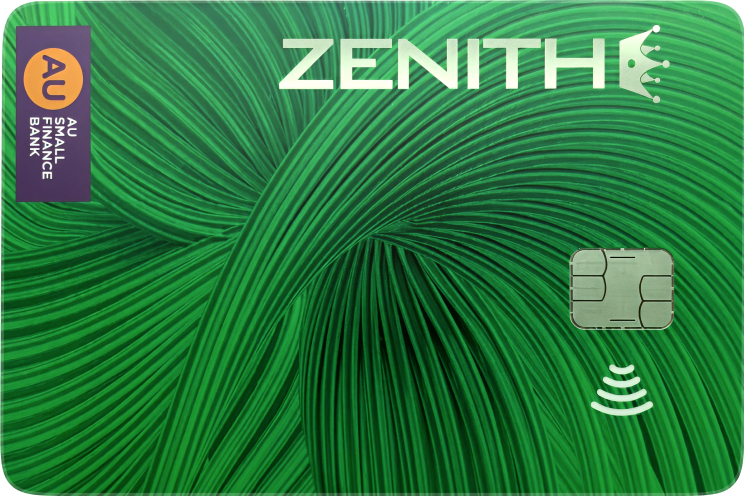
Earn 4 Reward Points per ₹100 on Grocery via Home Plan plus 1.5 points on medical spends and 1.4 points on cellphone, electricity & insurance bills
Unlock Annual Savings
₹X,XXX
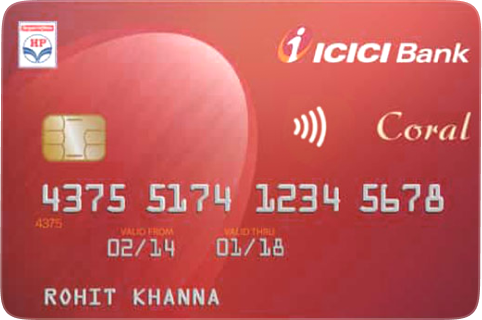
Earn 3 Reward Points per ₹100 on all other Retail Spends redeemable for mobile recharges via AU Rewardz
Unlock Annual Savings
₹X,XXX
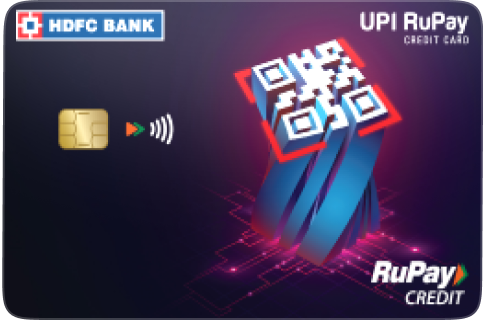
Earn 1 Reward Point on every ₹100 Spent on utility transactions including telecom, government and tax payments
Unlock Annual Savings
₹X,XXX
Earn 2% CashPoints on Utility Bill payment, Capped at 500 CashPoints per calendar month Minimum transaction of ₹100 required
Unlock Annual Savings
₹X,XXX
1 Reward Point Per ₹150 on utility bill payments, ensuring you get rewarded for managing your essential expenses like electricity, gas, and water bills
Unlock Annual Savings
₹X,XXX
Earn 3 Reward Points on Every ₹150 Spent utility bill payments with 1 reward point equal to ₹1
Unlock Annual Savings
₹X,XXX
Earn 1 Mojo Points on Utility Bills per ₹100 spent (capped at ₹50,000 per statement cycle).
Unlock Annual Savings
₹X,XXX
Earn 0.5 IndiGo BluChips per ₹100 On Utility Spends redeemable against IndiGo flight bookings
Unlock Annual Savings
₹X,XXX
5% Cashback on Bill Payments & Recharges via Google Pay electricity, water, gas, LPG, broadband, DTH & mobile recharges paid via Google Pay using ACE (Android only). Accelerated cashback is capped at ₹500 per statement (combined with 4% category)
1.5% Cashback on all Other Eligible Spends
Unlock Annual Savings
₹X,XXX
Earn 6 SpiceClub Points Per ₹200 on online utility bill payments
Unlock Annual Savings
₹X,XXX
Earn 12 SpiceClub Points on every ₹200 spent on online bill payments
Unlock Annual Savings
₹X,XXX
Earn 5% Cashback on Bill Payments & Mobile Recharge on eligible electricity, water, broadband and mobile recharge transactions; capped at ₹150 per month across combined categories
Unlock Annual Savings
₹X,XXX
Earn 100% Cashback up to ₹300 on First Utility Bill 2 EDGE REWARD points per ₹100 on LIC premium payments
Utility bills are a recurring reality for every household. Whether it is electricity, water, piped gas, or broadband connections, these expenses are inevitable and frequent. In the current financial landscape of 2026, the strategy for managing these costs has shifted from simple settlement to strategic optimization. While many credit card issuers have moved utility transactions into restricted categories that earn minimal or no rewards, a select group of specialized cards continues to offer significant value back to consumers.
Choosing the right credit card for utility bill payments in 2026 requires understanding the ecosystem of the card. Many high-value offers are now tied to specific payment platforms or mobile applications. For instance, co-branded partnerships between banks and technology giants like Google or telecommunication leaders like Airtel have created unique channels where cashback rates can reach as high as 25 percent. This guide explores the most effective credit cards for these essential spends and how to navigate the evolving terms of service to ensure you are getting the best possible return on your monthly outgoings.
In 2026, the primary reason to use a credit card for utilities is no longer just for the interest free credit period. It is about building a consistent stream of cashback or reward points that effectively reduces your cost of living. When you route a monthly expenditure of ten thousand rupees through a card offering five percent cashback, you are essentially securing a discount on essential services that would otherwise be paid at face value. Over a calendar year, these savings can amount to the equivalent of one or two months of free utility services.
Furthermore, automating these payments through your credit card ensures that you never miss a due date. Late payment penalties for electricity or water can be steep, and consistent on-time payments contribute positively to your credit profile. The integration of auto pay features within banking apps has made this process seamless, providing both financial discipline and tangible rewards.
The market in 2026 features a diverse range of cards, each catering to different spending profiles. Some prioritize flat cashback, while others offer accelerated reward points that can be converted into travel or shopping vouchers. Below is an in-depth analysis of the leading contenders for the best utility credit card currently available.
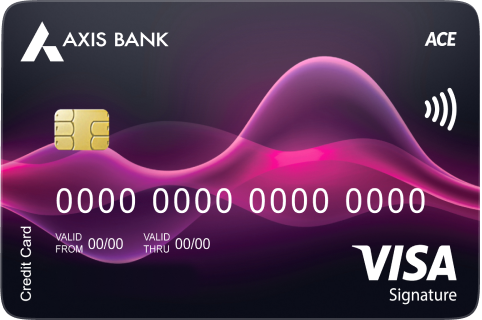
The Axis Bank ACE Credit Card remains a top tier choice for utility payments in 2026 due to its straightforward and aggressive cashback structure. It is particularly designed for users who prefer the Google Pay ecosystem. The card offers a stellar 5 percent cashback on utility bill payments, including electricity, internet, gas, and mobile recharges, provided the transactions are processed through the Google Pay application.
Beyond utilities, the card provides 4 percent cashback on popular lifestyle platforms such as Swiggy, Zomato, and Ola. For all other retail spends, users earn a base rate of 1.5 percent cashback. A critical detail for 2026 users is the capping mechanism. The bank combined the 5 percent and 4 percent categories under a monthly cashback cap of 500 rupees. This means to maximize the value, a user can spend up to 10,000 rupees on utilities per month to hit the limit. For an entry level card with a joining fee of 499 rupees, this represents one of the highest recovery rates in the industry.
For individuals who are already part of the Airtel ecosystem, this co-branded card is arguably the most lucrative option available in 2026. The headline feature is a massive 25 percent cashback on Airtel mobile, broadband, and DTH recharges when paid through the Airtel Thanks app. Additionally, it offers 10 percent cashback on other utility bills like water and electricity when using the same application.
The card also covers daily essentials with 10 percent cashback on Swiggy, Zomato, and BigBasket. The 25 percent category has a monthly cap of 250 rupees, and the 10 percent utility category also has a separate 250 rupee cap. While these caps might seem restrictive, the high percentage of cashback means you reach your maximum savings with relatively low spending. It is a highly efficient card for small to medium sized households that want to slash their telecom and utility costs significantly with minimal effort.
The Tata Neu Infinity HDFC Bank Credit Card is a premium offering that leverages the RuPay network, making it highly versatile for UPI transactions in 2026. This card earns rewards in the form of NeuCoins, where one NeuCoin equals one rupee. Users earn 5 percent NeuCoins on spends within the Tata Neu app and partner brands. For utility payments, the card offers a base reward rate of 1.5 percent NeuCoins.
What sets this card apart is the lack of a specific monthly cap on utility rewards, although overall monthly limits on total reward points may apply. This makes it a better choice for users with high monthly utility bills exceeding 20,000 rupees. The card also offers excellent travel perks, including 8 domestic and 4 international lounge visits per year, justifying the 1,499 rupee annual fee for frequent travelers who also want consistent value on their household bills.
The Super Value Titanium card is one of the few cards in 2026 that specifically targets the "three pillars" of household expenses: fuel, telephone, and utilities. It offers a flat 5 percent cashback on these categories. For utility payments, the transaction must be a minimum of 750 rupees to qualify for the cashback, and the monthly benefit is capped at 100 rupees.
While the 100 rupee cap is lower than some competitors, the card is valuable for its consistency and the inclusion of fuel and telephone bills in the same reward bracket. It is best suited for users who have modest utility bills and want a simple card that covers multiple essential categories without requiring them to use specific third party payment apps or platforms.
When selecting a card in 2026, comparing the fee structure against the potential savings is vital. The following table breaks down the key specifications for the top performing cards in the utility sector.
| Credit Card Name | Utility Cashback/Reward Rate | Monthly Cap on Utilities | Annual Fee (INR) |
|---|---|---|---|
| Axis Bank ACE | 5 percent (via Google Pay) | 500 rupees (combined) | 499 rupees |
| Airtel Axis Bank | 10 percent (via Airtel Thanks) | 250 rupees | 500 rupees |
| Tata Neu Infinity HDFC | 1.5 percent NeuCoins | No specific cap | 1,499 rupees |
| Standard Chartered Super Value | 5 percent | 100 rupees | 750 rupees |
| HDFC Swiggy | 1 percent | 500 rupees | 500 rupees |
| HDFC Regalia Gold | 4 Points per 150 rupees | No specific cap | 2,500 rupees |
Securing a high reward credit card in 2026 requires meeting specific criteria set by the banks to ensure creditworthiness. While each bank has its own internal scoring model, the general requirements remain consistent across the industry. Most premium and mid range utility cards require the applicant to be between 21 and 65 years of age.
For salaried individuals, a stable monthly income is the primary requirement. Most entry level cards like the Axis ACE or Airtel Axis require a minimum monthly salary of 20,000 to 25,000 rupees. Premium cards like the HDFC Regalia Gold or Tata Neu Infinity often require a higher threshold, typically starting at 1,00,000 rupees per month for salaried professionals or a high annual Income Tax Return (ITR) for self employed individuals. Banks in 2026 also place significant weight on the employer's reputation and the length of current employment.
The application process in 2026 has become largely digital, often utilizing Video KYC (Know Your Customer) to speed up approvals. However, you will still need to provide digital copies of essential documents. These include your PAN card, which is mandatory for all financial applications in India, and an Aadhaar card for identity and address verification. Income proof is typically established through the last three months of salary slips and bank statements showing salary credits. For self employed applicants, the last two years of audited financial statements or ITR filings are generally required to demonstrate income stability.
Owning the card is only the first step. To truly optimize your finances in 2026, you must apply specific strategies to circumvent fees and maximize reward points. The landscape has become more complex with the introduction of transaction fees on certain payment platforms, making strategic planning essential.
In 2026, many banks have introduced a 1 percent transaction fee for utility bill payments made via third party applications. To maintain your profit margins, it is crucial to check if your card issuer waives these fees or if paying through the bank's own portal is more cost effective. For example, using the Airtel Thanks app with an Airtel Axis card is usually the best way to ensure you get the high cashback without incurring extra platform charges. Always read the latest terms and conditions, as these fee structures are subject to change.
Setting up auto pay or "Standing Instructions" on your credit card for utilities is a double edged benefit. Firstly, it ensures that you never incur late payment fees or service disruptions. Secondly, it creates a pattern of consistent, predictable credit usage. In 2026, credit scoring algorithms highly value this consistency. By ensuring your utility bills are paid on time and your credit card bill is subsequently settled in full, you build a robust credit history that can lead to lower interest rates on home or car loans in the future.
Reward points and NeuCoins are only valuable if they are used. In 2026, many reward programs have expiry dates ranging from two to three years. For cards like the HDFC Regalia Gold, the best value is often found in the travel portal for booking flights or hotels. For co-branded cards like Tata Neu, using the coins for grocery purchases on BigBasket or electronics at Croma provides a direct 1:1 rupee value. Regularly checking your reward balance prevents the loss of value through points expiration.
While the allure of 5 percent or 10 percent cashback is strong, it is important to look at the total cost of ownership of a credit card in 2026. If your annual utility spend is low, a card with a 1,500 rupee annual fee might not pay for itself through utility rewards alone. In such cases, look for cards that offer a "fee waiver" based on annual spend. Many cards will refund the annual fee if you spend over 2,00,000 rupees in a year.
Additionally, consider the "opportunity cost" of your credit limit. If you use a significant portion of your credit limit for utilities and other spends, your credit utilization ratio might rise, which can temporarily dip your credit score. Aim to keep your total utilization below 30 percent across all your cards for the best financial health in 2026.
Card Eligibility
Enter your details and get personalised card recommendations
